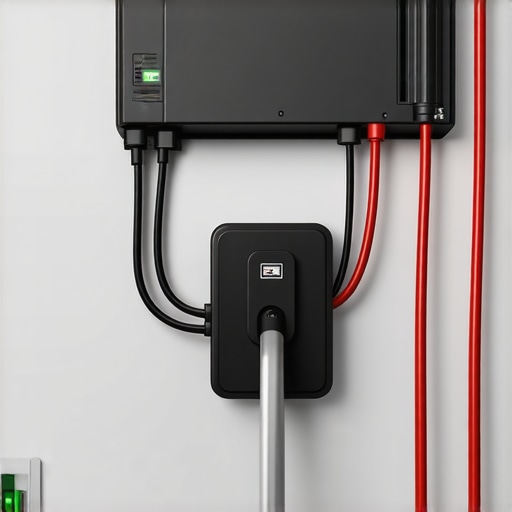

Panel Upgrades & Code Compliance: Ensure Safe EV Charging at Home in 12:23
It was a chilly Saturday afternoon when my latest attempt to charge my electric vehicle (EV) failed miserably. The charger refused to turn on, and a strange flickering light on my breaker panel made my stomach sink. I realized I had overlooked a critical aspect: ensuring my home electrical system was equipped and compliant enough to handle the demands of safe EV charging. That moment was a lightbulb for me—connecting the dots between upgrading my panel and avoiding potential hazards.
Why Your Home’s Wiring Can Make or Break Your EV Charging Experience
If you’ve ever tried to plug in your EV charger only to face flickering lights, trips, or worse—potential safety risks—you’re not alone. Many homeowners jump straight to plug-in, assuming their existing outlets and panels can handle the added load. But here’s the truth: without proper panel upgrades, you risk not only inconvenience but also serious safety violations.
Upgrading your electrical panel isn’t just about having more amps—it’s about meeting national safety standards and local codes. Did you know that improper wiring or outdated panels are among the leading causes of electrical fires related to EV chargers? According to the National Fire Protection Association, residential electrical failures account for approximately 45% of electrical fire incidents involving EV charging equipment. This startling fact underscores the importance of professional upgrades and code compliance.
Investing in a correct panel upgrade can enhance the long-term reliability of your EV charging, protect your home, and offer peace of mind. But, many homeowners hesitate, unsure if their panels are truly sufficient or if a simple upgrade is enough. That’s where expert advice and thorough evaluation come into play.
If you’ve struggled with inconsistent charging, tripped breakers, or just want to make sure your home is future-proof, you’re in the right place. Today, I’ll walk you through how to determine whether your panels can support your EV and how proper upgrades ensure safety and code compliance. Trust me, a little investment now can save you plenty of headaches—and expenses—later.
Are you worried that your current electrical setup isn’t up to par? Keep reading, and I’ll show you simple steps to evaluate and upgrade your system safely.
Assess Your Current Electrical System
Begin by evaluating your existing electrical panel’s capacity. Locate your main breaker and check its amperage rating—most residential panels range from 100 to 200 amps. If you’re unsure, turn off your main breaker and remove the panel cover to inspect the label. Think of this like checking the size of a pipe before installing a larger faucet; you need to confirm it can handle increased flow.
Conduct a Visual Inspection
Look for signs of wear, corrosion, or outdated components. An old panel with burned contacts or rust suggests it’s time for an upgrade. I once encountered a panel with melted wiring insulation, which was a clear hazard. Replacing the panel prevented potential fire risks and ensured future compatibility with high-capacity chargers.
Calculate Your Power Demands
Determine your home’s total power consumption and the additional load from an EV charger. Typically, a Level 2 charger requires around 30 amps. Use the rule of thumb: if your home’s total load exceeds 80% of your breaker capacity, you should upgrade. For example, my home had a 100-amp service but was drawing nearly 80 amps during peak times; an upgrade to 200 amps provided the needed headroom.
Hire a Licensed Electrician
Upgrading a panel isn’t a DIY task—think of it as performing surgery on your home’s electrical system. An experienced electrician ensures compliance with local codes and safety standards. I contacted BrightSpark Electric for a thorough evaluation. They verified my panel needed a 200-amp service upgrade and handled all permits, making the process smooth and safe.
Upgrade to a Code-Approved Panel
Choose a panel that meets or exceeds local safety codes and has enough slots for future expansions. Modern panels offer features like surge protection and better circuit breakers. During my upgrade, I preferred a panel with AFCI and GFCI protection—enhancing safety for my entire home. Remember, outdated panels or non-compliant installations are hotspots for fire hazards and electrical failures. For detailed guidance, check this resource.
Ensure Proper Wiring and Breaker Installation
New panels require correctly sized wiring—using thicker gauge wires for higher currents—to avoid overheating. Breakers must match the appliance’s requirements exactly. I watched the electrician carefully set the breakers for my charger, preventing nuisance trips. An incorrect breaker setting can cause damage or pose safety hazards. Always trust licensed professionals to perform these tasks.
Verify Safety and Compliance
After installation, get a qualified inspector to verify your setup aligns with local codes. This step is crucial—similar to getting a health check after an operation. My electrician provided a certificate of compliance, giving me peace of mind. Proper verification helps prevent future violations and ensures your home is safe for continued EV charging.
Plan for Future Expansion
Consider adding dedicated circuits or larger panels now to accommodate future electric vehicle models or additional appliances. This foresight saves costs and hassle down the road. During my upgrade, we added extra slots and circuits, so I can install another charger or power tools without further upgrades. Learn more about this approach at this detailed guide.
When it comes to troubleshooting EV chargers and panel upgrades, many homeowners fall prey to misconceptions that can compromise safety and performance. Contrary to popular belief, simply resetting a breaker or replacing a faulty charger doesn’t always resolve the root issues; understanding the nuances can make all the difference. For instance, assuming your electrical panel’s capacity is sufficient based solely on age or appearance can lead to serious safety hazards, especially if local codes have evolved since the installation. In fact, a study by the National Fire Protection Association highlights that outdated or improperly upgraded panels are a leading cause of electrical fires related to EV charging systems, underscoring the importance of verifying code compliance through expert evaluation.
A common myth is that troubleshooting is a DIY task anyone can handle with basic tools. While minor fixes sometimes suffice, complex issues like wiring faults or panel deficiencies require a licensed electrician’s expertise to prevent mishaps. One trap many overlook is neglecting the importance of proper grounding and the use of correctly sized conductors, which are critical for both safety and system reliability. Missteps here often cause nuisance trips, inconsistent charging, or, worse, electrical fires. Details like this are why thorough knowledge of system parameters and adherence to current standards should be a priority—consulting comprehensive resources such as this guide can be invaluable.
What about advanced questions like ensuring your system remains scalable for future EV models? Upgrading your panel with spare slots or higher amperage can prevent costly future rewrites. Yet, many homeowners either fail to plan ahead or misunderstand how to implement these upgrades safely. For example, overloading a new panel without proper load calculations can negate the benefits of the upgrade, risking overloads and violations. It’s advisable to have a professional perform a detailed load calculation and verify that all electrical components are compliant with local codes, which might include surge protection or AFCI/GFCI circuit breakers. Proper verification is critical—resources like this resource provide insight into compliance checks.
Make no mistake, troubleshooting and upgrading your EV infrastructure isn’t just about fixing problems—it’s about understanding and implementing the right solutions safely. Do you think a quick fix will hold in the long run? Chances are, a deeper, more strategic approach is needed. Have you ever fallen into this trap? Let me know in the comments.Maintaining a reliable and safe EV charging system requires the right tools and practices. First, invest in a high-quality digital multimeter, like the Fluke 117, which allows you to accurately measure voltage, current, and resistance, helping identify wiring faults or overloads early—I’ve found it invaluable for quick diagnostics before calling an electrician. Next, use a clamp meter such as the Uni-T UT210E to verify current flow during charging; this helps ensure your device isn’t drawing excessive power, preventing future panel stress or code violations. For software monitoring, I recommend installing a smart electricity monitor, like Sense, which provides real-time insights into your home’s power usage and helps detect abnormal loads linked to faulty wiring or outdated panels—saving time and enhancing safety. These tools complement regular visual inspections and adherence to local codes, ensuring your system remains compliant and functional over the long term. Prediction: As smart home integration advances, expect tools to automate monitoring and alert homeowners of issues before they escalate—making proactive maintenance easier. To effectively manage your system, ask yourself, “How do I maintain my EV charging setup over time?” Incorporate routine diagnostics using these tools, schedule periodic professional checkups, and stay updated on code requirements through trusted resources like [this guide](https://brightsparkzelectric.com/how-to-verify-code-compliance-for-your-ev-charger-installation). Implementing such proactive measures now not only ensures safe operation but also contributes to your home’s efficiency and readiness for future EV models. Don’t wait for issues to arise—try using a digital multimeter during your next full system check and experience the peace of mind it offers.
What I Wish I Knew Before Juggling Panel Upgrades and Code Compliance
One of the most valuable lessons I learned is that rushing into an upgrade without thorough planning can lead to unnecessary expenses and safety hazards. Inspections and load calculations aren’t just paperwork—they’re essential step indicators that guide your upgrade journey properly.
I also discovered that assuming your existing wiring can handle higher loads is a risky gamble. A visual inspection combined with professional testing revealed hidden wiring degrade and overload risks I would have never noticed on my own.
Finally, embracing continuous education and trusting licensed electricians boosted my confidence in maintaining a safe and compliant EV charging setup. The more I learned, the clearer it became that safety and future-proofing are investments worth making today—preventing headaches and hazards tomorrow.
Reading this really hit home for me. I had a similar situation where my EV charger wouldn’t turn on, and it turned out my old panel couldn’t support the load it needed. What I found so helpful was consulting a licensed electrician who performed a detailed load analysis. Seeing how crucial proper wiring and size are for safety makes me wonder—how often do homeowners actually have their systems evaluated before installing high-capacity chargers? I’ve learned that visual inspections alone can be misleading, especially if there’s hidden wear or corrosion. Investing in professional assessment seems like a small price compared to the potential risks of skipping it, like fire hazards or costly repairs down the line. For anyone considering upgrading, what’s the typical waiting time from evaluation to full installation? I think proactive planning and expert advice really make the difference in ensuring safety and longevity for your home’s electrical system.
This post hits really close to home. Last year, I faced a similar issue where my EV charger kept tripping the breaker, and I initially thought it was a problem with the charger itself. It turned out my outdated electrical panel couldn’t handle the increased load. After having a licensed electrician perform a detailed load analysis, I realized how critical it is not just to upgrade your panel but also to ensure wiring and breakers are correctly rated. It’s surprising how many homeowners overlook these details, assuming their existing setup is sufficient. I’ve also started using a smart energy monitor, and it’s been impressive to see how much load my house actually draws during peak times. How do you guys typically determine whether your current system can support future EV upgrades without overloading? I think regular evaluation and professional advice can save a lot of headache and ensure safety—especially as EV technology keeps evolving.
Reading about your experience really resonated with me. Just last month, I had a similar issue with flickering lights and trip breakers whenever I charged my EV. My electrician conducted a detailed load assessment and confirmed my old panel needed a significant upgrade to meet current safety standards. It’s eye-opening how many homeowners underestimate their current system’s capacity, especially if it’s quite old, and assume just replacing the charger will do. For many, proactive evaluation can prevent potential hazards down the line, particularly with more powerful chargers becoming common. I’m curious—how do others approach regular maintenance or assessment of their electrical systems? Do you schedule periodic professional evaluations or rely on visual inspections? In my case, staying ahead of potential overloads has given me peace of mind, especially as I plan to add another vehicle in the future. Truly, trusting licensed electricians and keeping up with inspections is a worthwhile investment for safety and peace of mind.